
What are the benefits of a wedding planner and how do you know if you actually need one? When planning a wedding, the biggest consideration for most is cost, and while wedding planners might FEEL like a luxury vendor, we hope to illuminate just how essential they can be!
We’ll cover:
The benefits of a wedding planner
What is the difference between a venue coordinator, day-of planner, and full service wedding planner?
What is the most commonly booked level of service?
What do wedding planners do?
If you are planning a wedding, make sure to check out other helpful blogs in our Wedding Planning Guide!
I had the pleasure of working with a few wedding planners in my career, and the moment I had an email exchange with Brittany of Blue Bon Events, I knew we were destined to be besties even though she likes Taylor Swift (please keep reading haha!) She was gracious enough to educate us on the most commonly asked questions that couples have when considering a wedding planner:
What are the benefits of a wedding planner?
"Hiring a wedding planner means having someone by your side while you plan one of the most complex events you’ll ever host. We bring experience, organization, and a clear process so you’re not spending hours Googling every decision or worrying that you’re forgetting something important.
A planner is:
A sounding board when you’re weighing decisions.
An advocate when reviewing vendor contracts and expectations.
An “insurance policy” when something inevitably doesn’t go exactly according to plan.
Able to spot potential issues early.
Someone to keep vendors aligned.
Someone to make sure the details that matter most don’t get overlooked.
Instead of navigating everything alone, you have an expert protecting your time, sanity, and budget. Most importantly, having a planner allows you to actually enjoy being engaged and stay fully present on your wedding day without worrying about logistics.


Types of Wedding Planners
Venue Coordinator
Focuses on the building, staff, and venue-specific logistics. They ensure the space is set up properly and manage the logistics included in their venue, often including catering, bartending, place settings, cake, etc.
Day-of-Planner
Also known as a coordinator/wedding management service) steps in towards the end of your planning process to organize and wrap up the plans you’ve already made. They coordinate vendors, help you with your timeline and floorplans, handle last-minute details, and manage the wedding day so everything runs smoothly.
** An important distinction between a day-of planner and a venue coordinator is that a planner works for YOU while a venue coordinator works for the VENUE. For a truly seamless experience - it’s always best to have both!
Full-service wedding planner
They are involved from the beginning. They recommend vendors that are a good fit for you, assist with all communication and contracts, act as a sounding board during decision making processes, and manage all logistics, budgets, and timelines. Their role is to ensure the experience is organized, enjoyable, and cohesive from the very first decision through the final moments of your wedding day.

Common Wedding Planner Packages
Blue Bon’s Wedding Management package (often referred to as month-of coordination) is our most commonly booked service. Many of our couples enjoy the planning process but want an experienced professional to step in toward the end to organize the details and manage the logistics of the wedding day itself.
That said, we’re seeing a trend of more couples choosing our Partial Planning package. Having a planner involved earlier saves couples time, stress, and a lot of second-guessing. This package is especially beneficial, as it starts around the time when couples send out invites, which means we’re there to help them manage everything as RSVPs are coming in and final decisions are being made.
Wedding Planner Responsibilities
Q: What are some things people don't even realize you do and who would end up doing it if you weren't there?
A: Oh goodness - there are new items added to this list at every wedding we work… many of them are things that I don’t even realize I do until it needs done. From finding lost items, to re-assembling broken boutonnieres, to catching the literal chickens that got out next door.. It's truly never a dull moment. Individual instances aside, there are a few things that we consistently do at every single wedding:
Vendor confirmations and communication leading up to the wedding - Two weeks before your big day is NOT the time for you to worry about sending 10-15 emails to confirm logistics and arrival times. Check this one off your list, we’ll handle it.
Emergency kit - Every wedding blog ever will tell you how crucial it is to have an emergency kit with key items for while you’re getting ready. At Blue Bon, we took it a step further than a sewing kit and boob tape and bring a two piece luggage carry-on set filled with over 100 items that you *may* need. Our average couple uses 10-20 items from it, and I’ll tell you a secret: most of them aren’t the items included in the blogs.
People-wrangling - We are constantly making sure that everyone is where they need to be. We make sure your photographer is set up and ready for your grand entrance, that your family is back from the bar before we start your first dance, and sometimes even find your best friend so she doesn’t miss the song she requested.
If a planner isn’t present, the responsibility of handling questions and solving problems often falls to you, your family, or your bridal party. This means being pulled away from the moment and creating unnecessary stress on a day that should feel joyful and relaxed. Vendors may step in to help when possible, but that takes them away from using that time to deliver the service they were hired for. A planner ensures there’s a dedicated professional managing the day so everyone else can focus on celebrating.
Wedding Planners and Your Vendor Team
Q: How do planners interact with your other wedding vendors?
A: A big part of our role is making sure vendors have the information they need to do their jobs well, which all starts with our timeline meeting. We include all key vendors (and the couple, of course) in a video call so we can discuss needs and expectations while determining the timeline together. This meeting has proven to be extremely beneficial, as it has everyone start on the same page, and encourages collaboration from the get-go.
As far as the weekend of the wedding goes, we provide detailed timelines, communicate key logistics in advance, and act as the point of contact so vendors aren’t chasing down answers from multiple people. We help keep the schedule on track, coordinate transitions, and ensure vendors can focus on delivering their services rather than managing the overall event flow.
As the wedding approaches, vendors typically begin reaching out to confirm logistics and finalize details for the day. Instead of those conversations happening two weeks before the wedding in a flurry of emails, we start coordinating them more than a month in advance and provide finalized timelines and key information specific to each vendor type well ahead of time. This saves couples from juggling communication with 10+ vendors and allows vendors to walk into the wedding calm, informed, and ready to focus on what they do best.

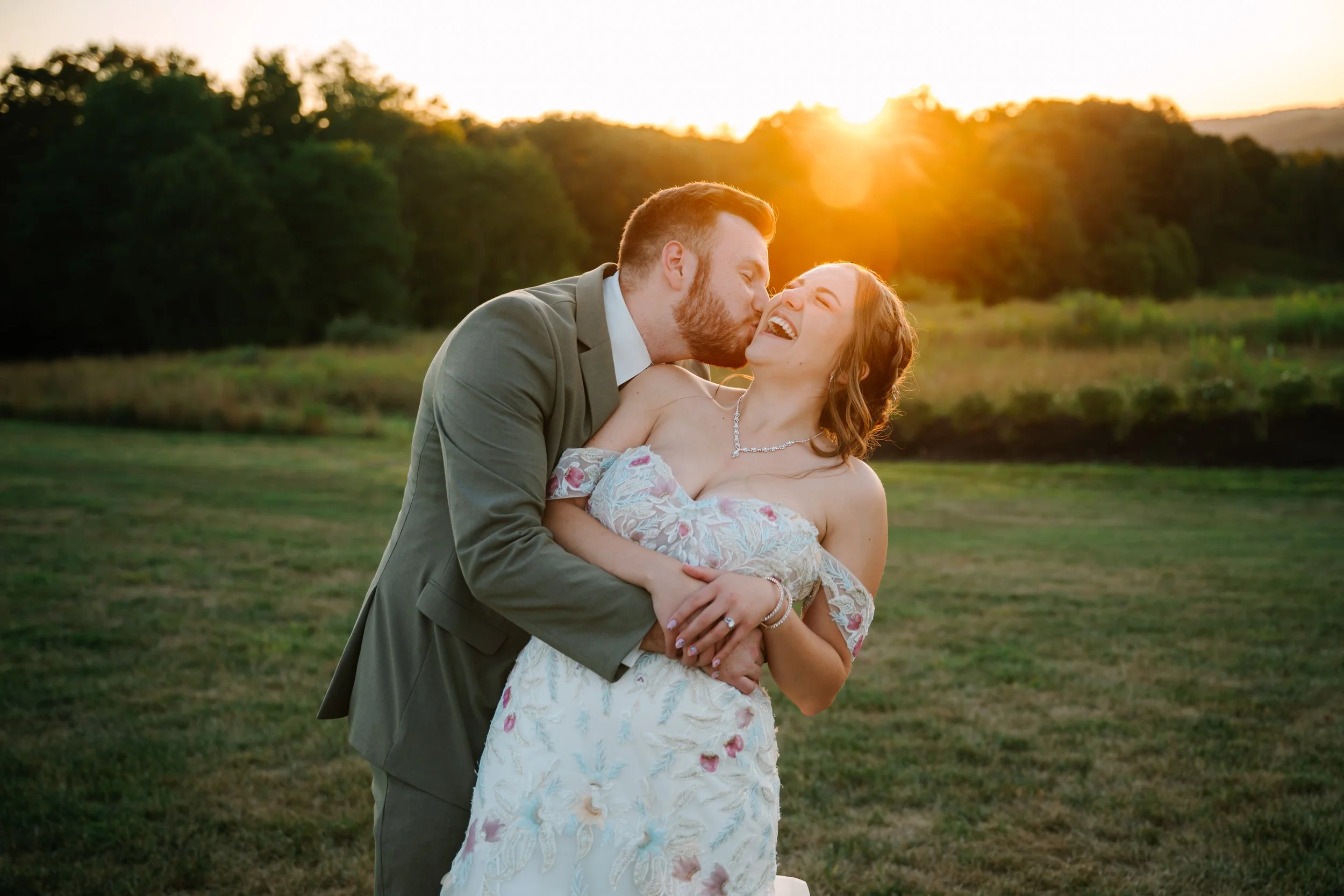
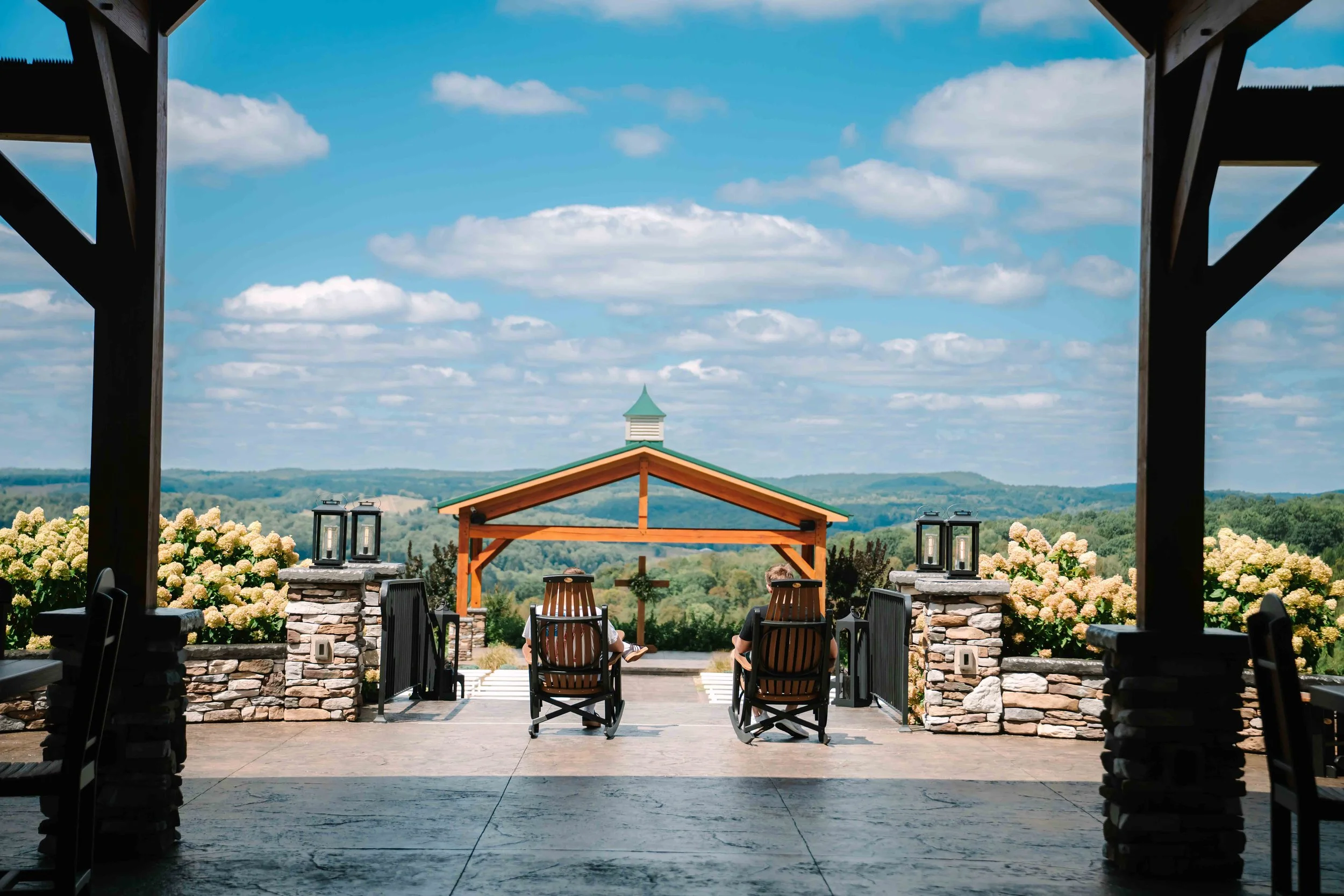
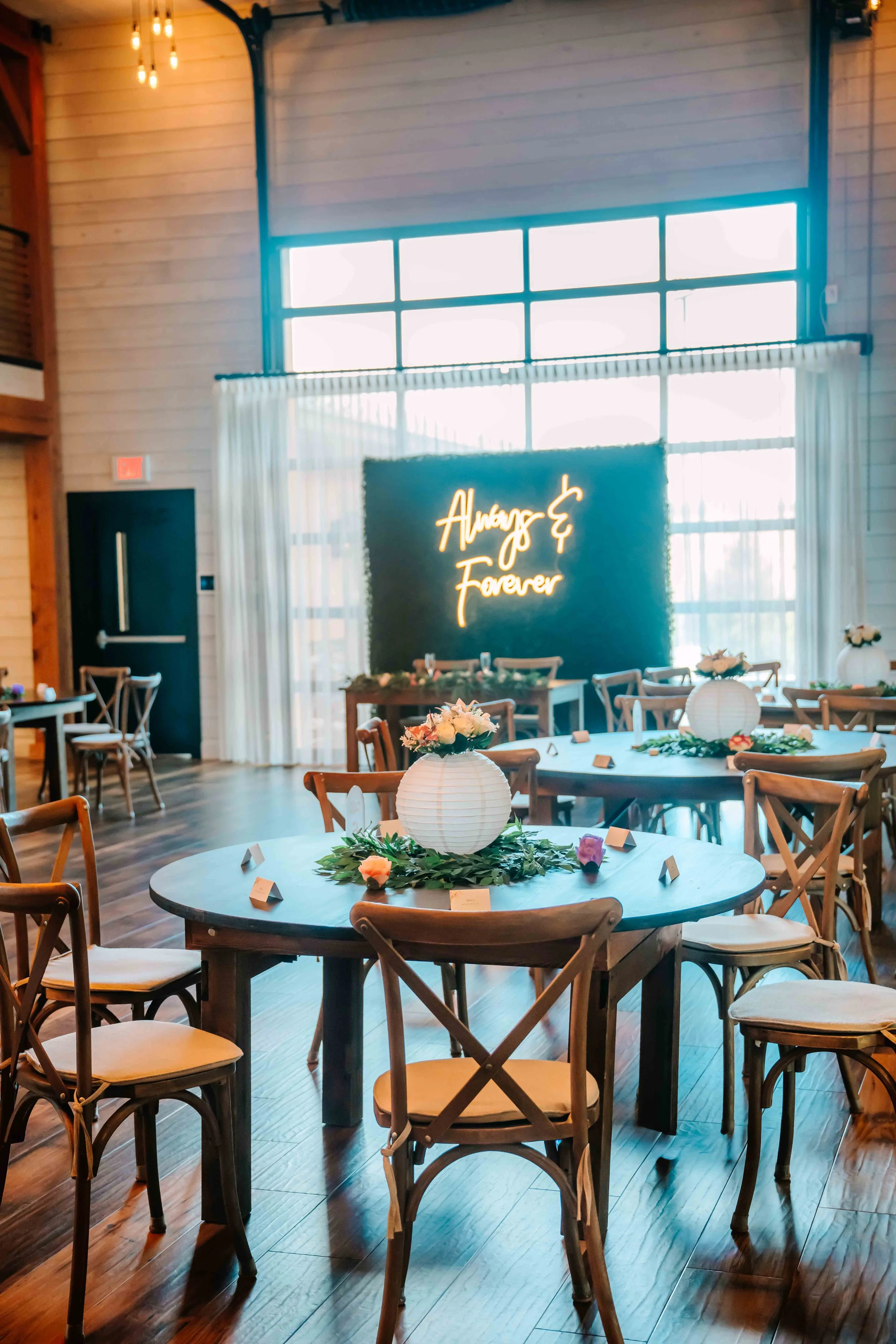
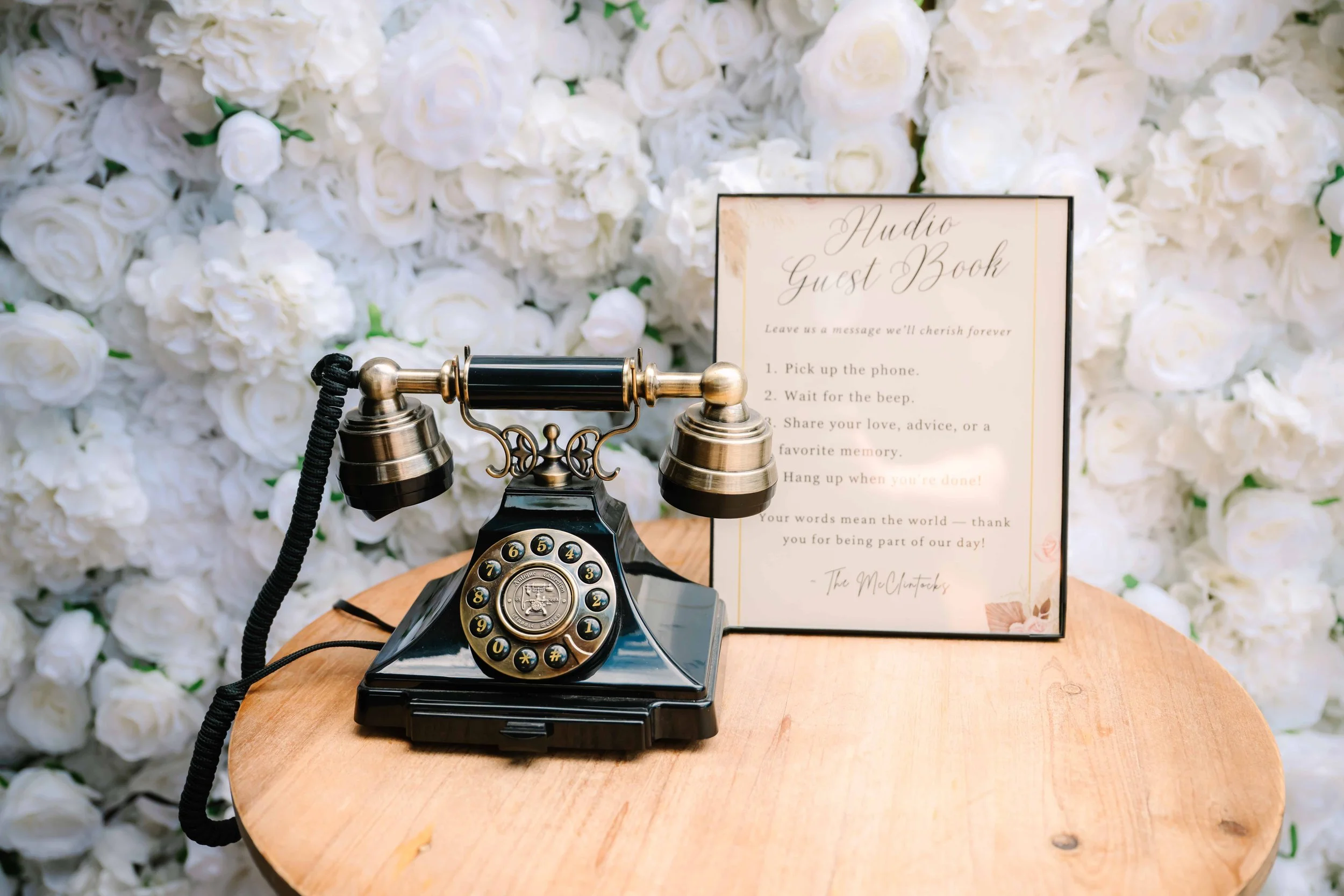
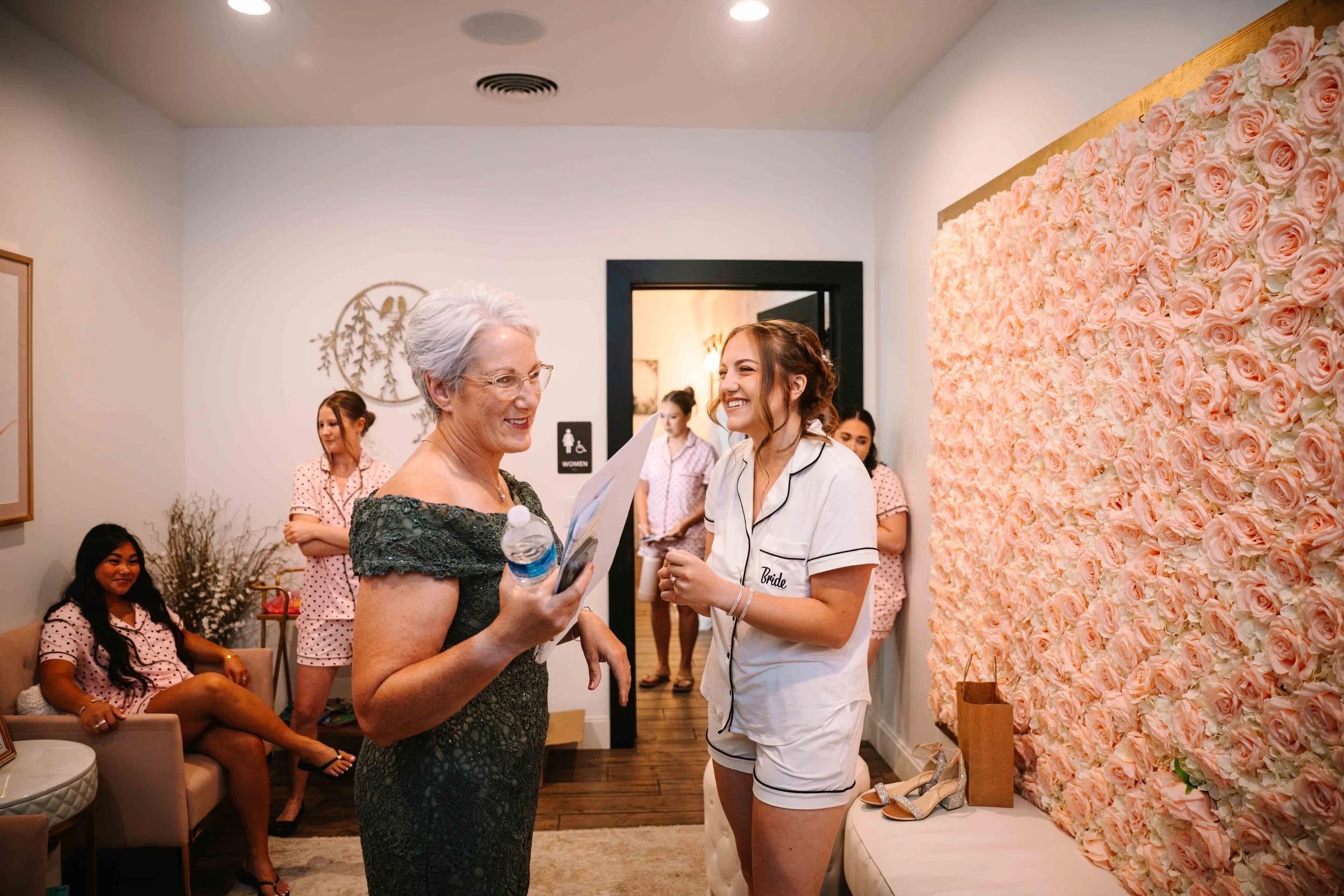
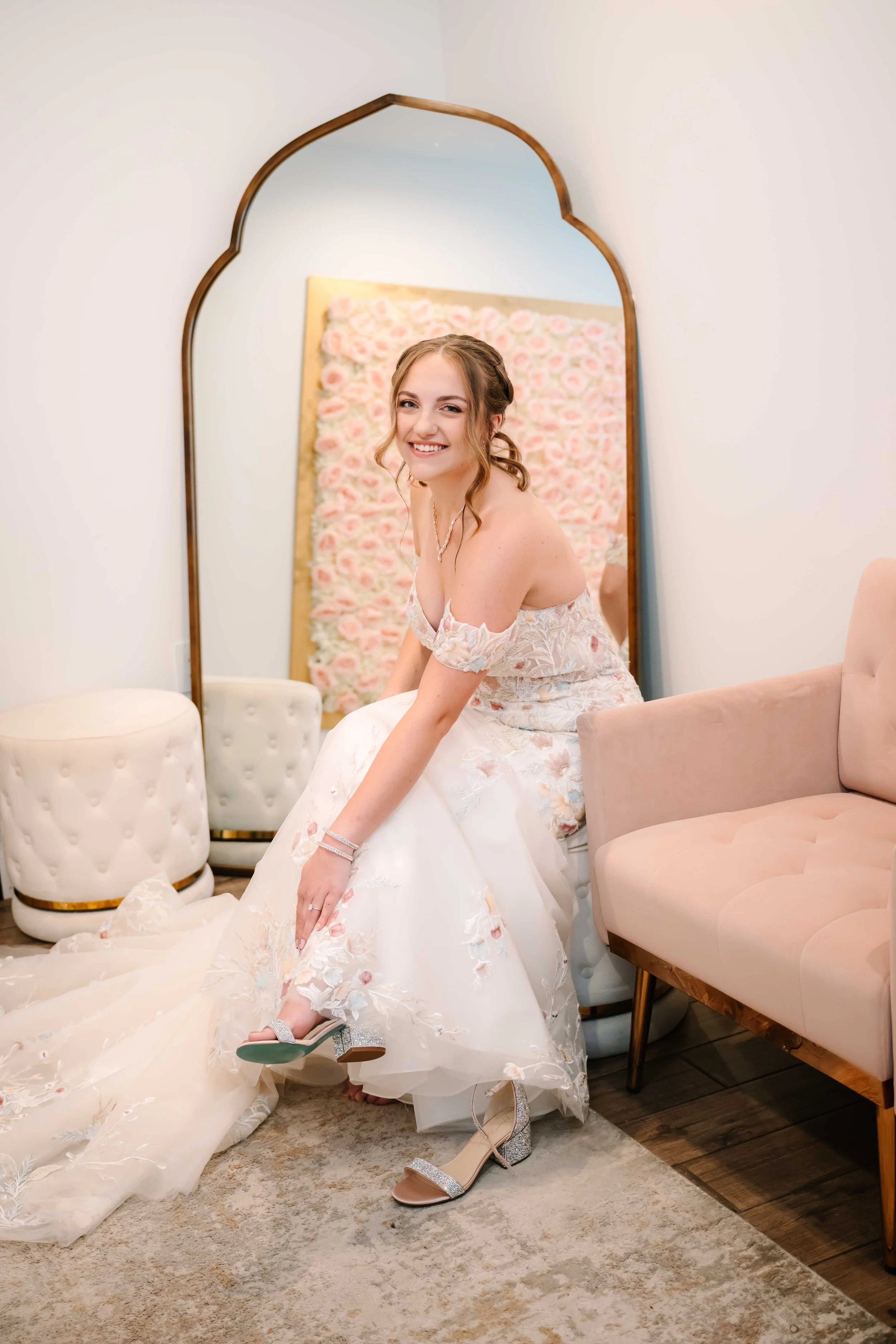
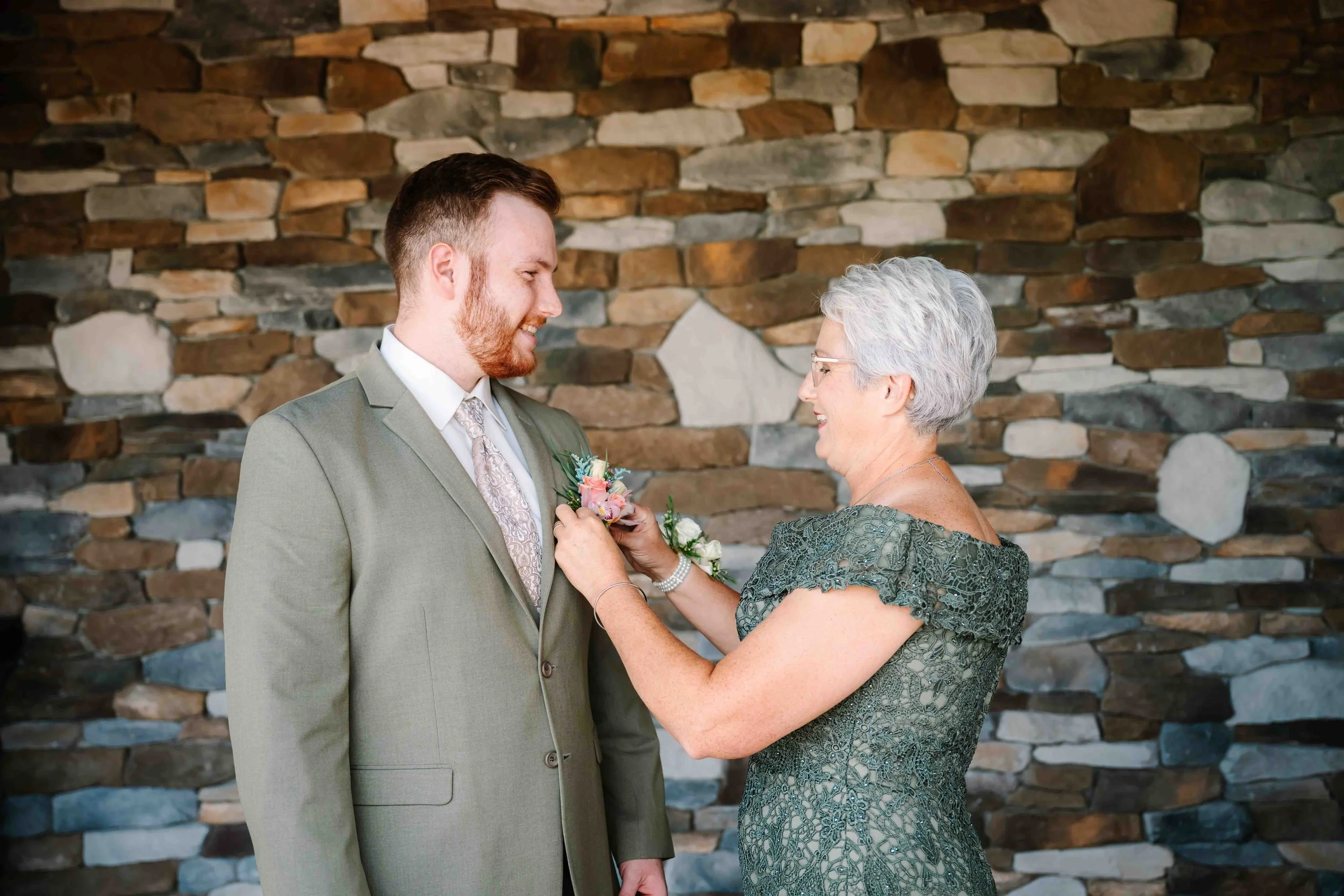
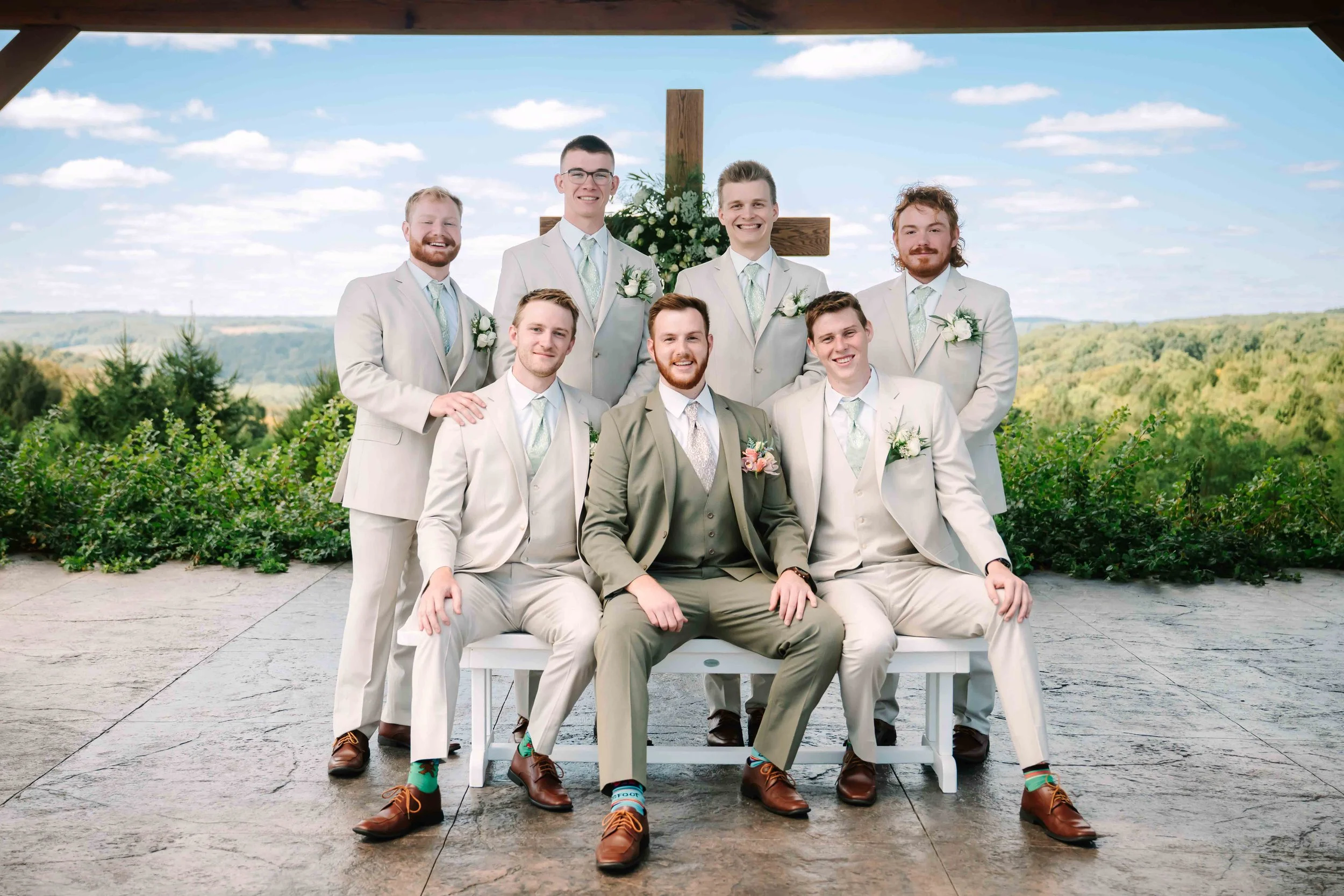
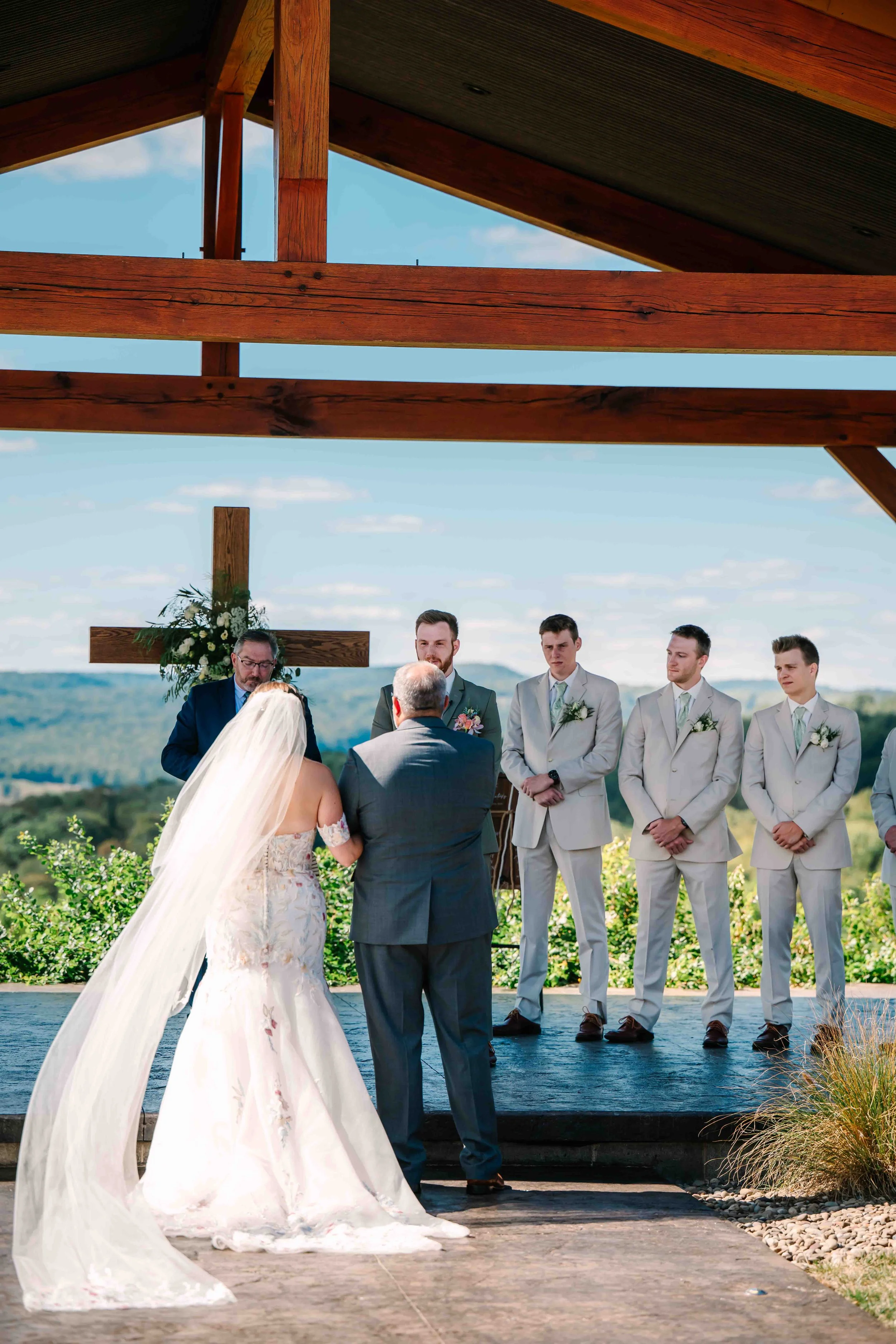
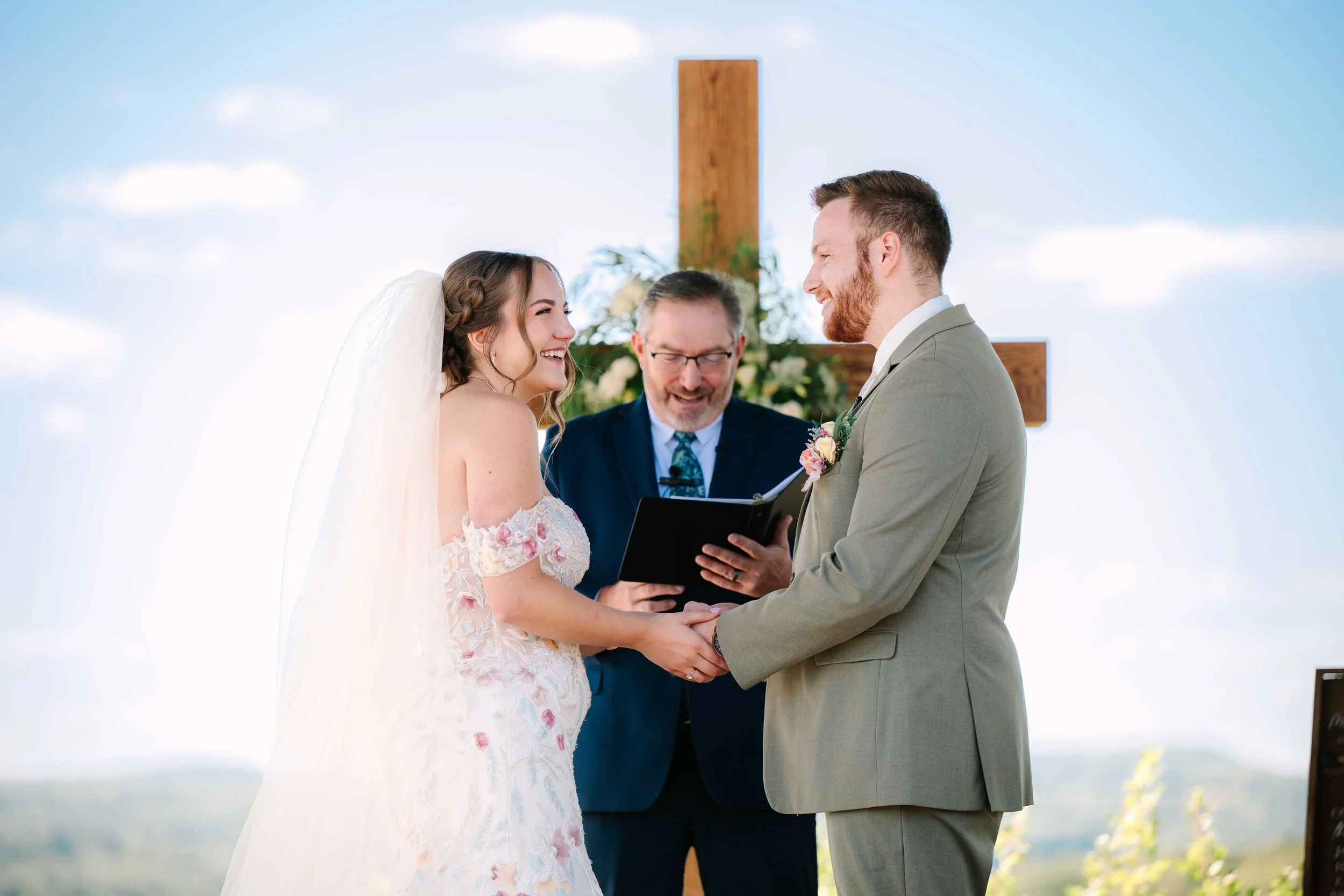
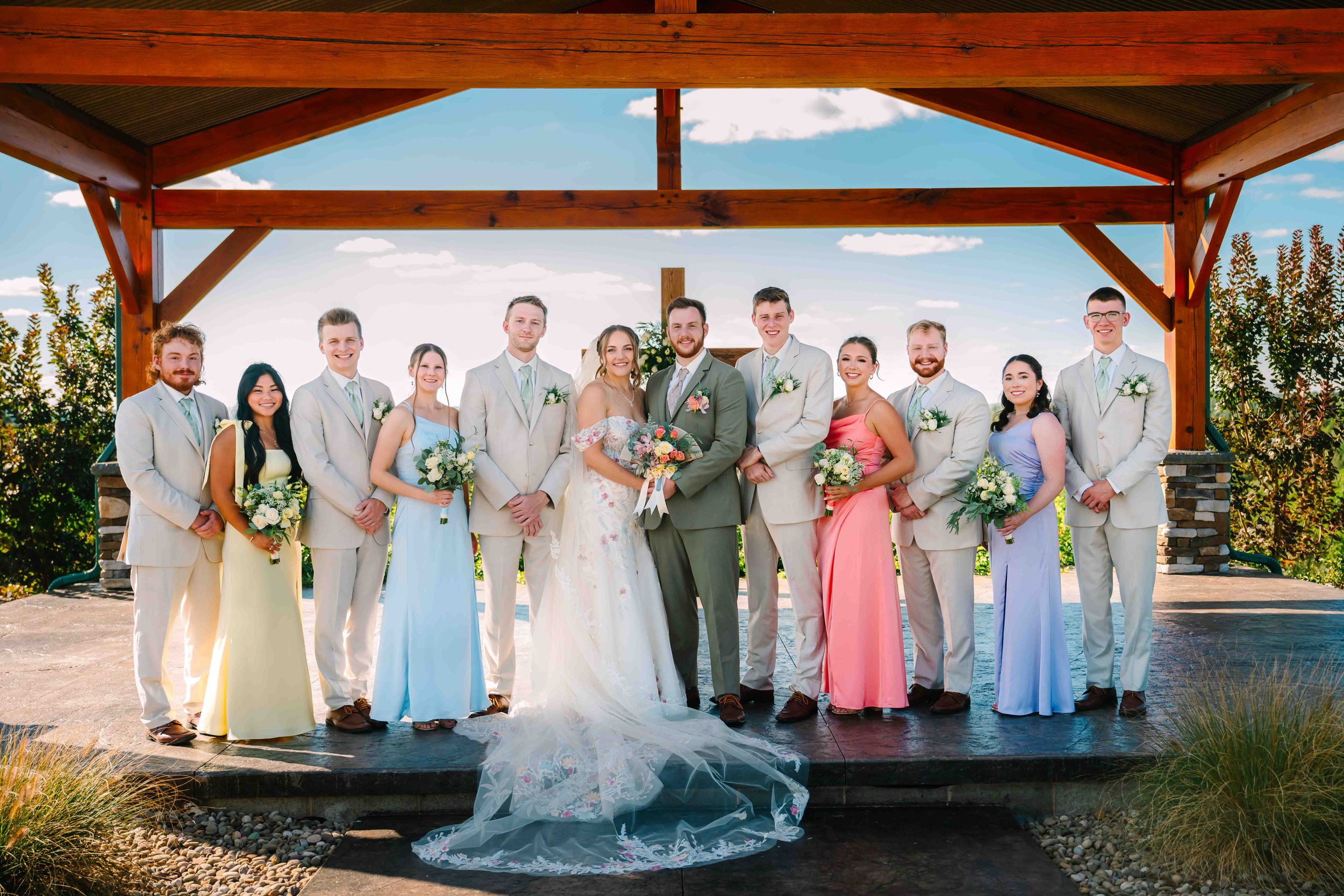
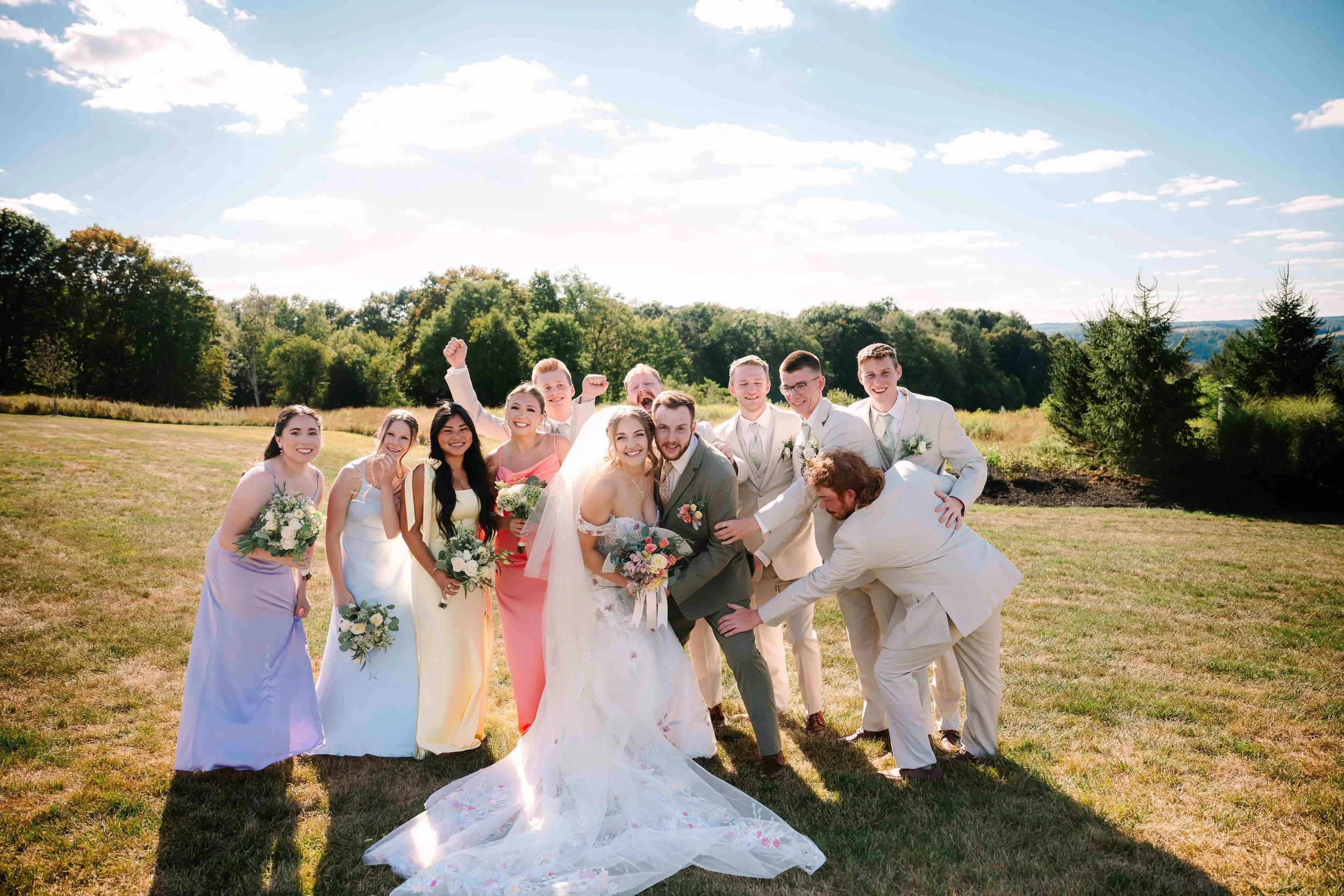
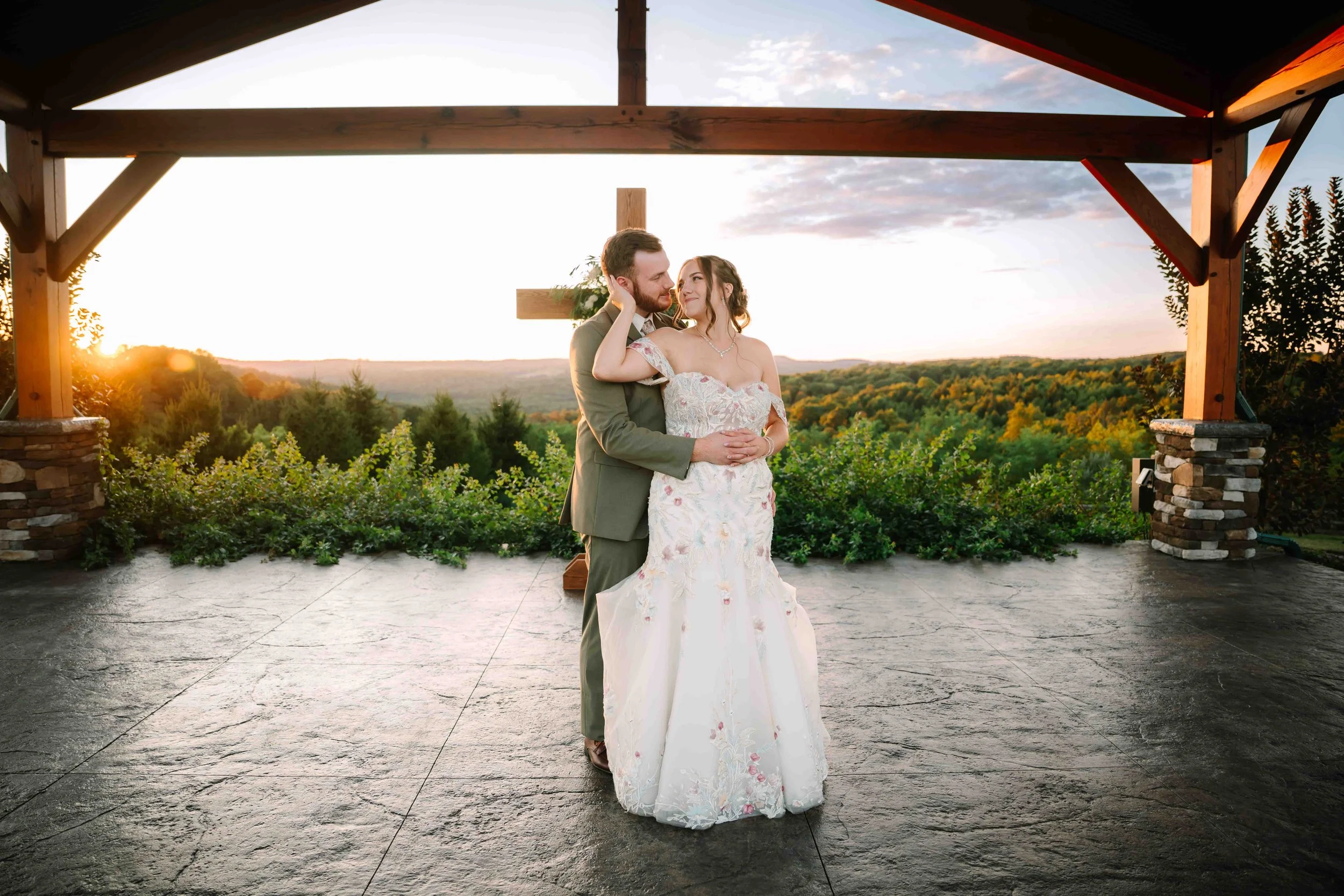
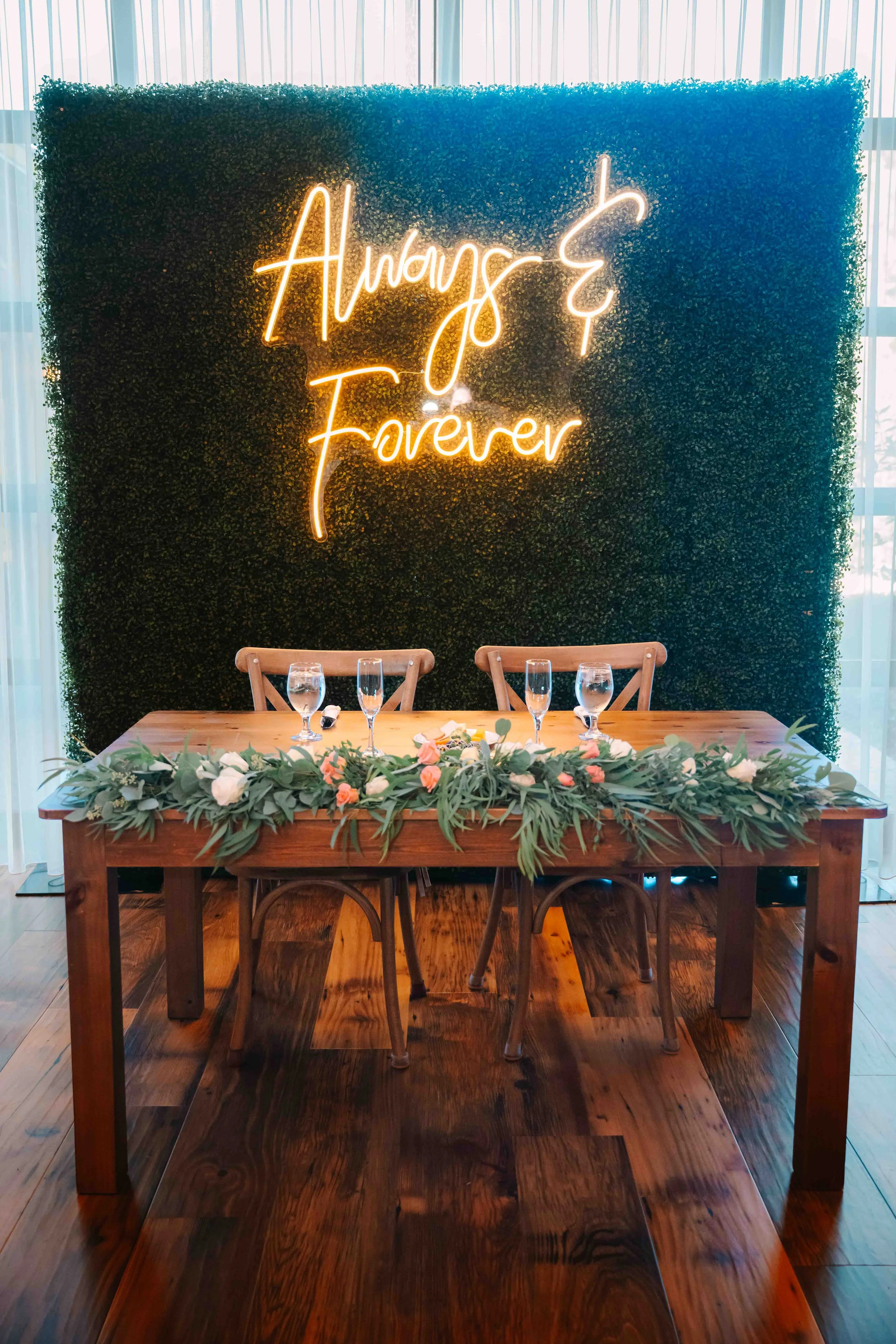
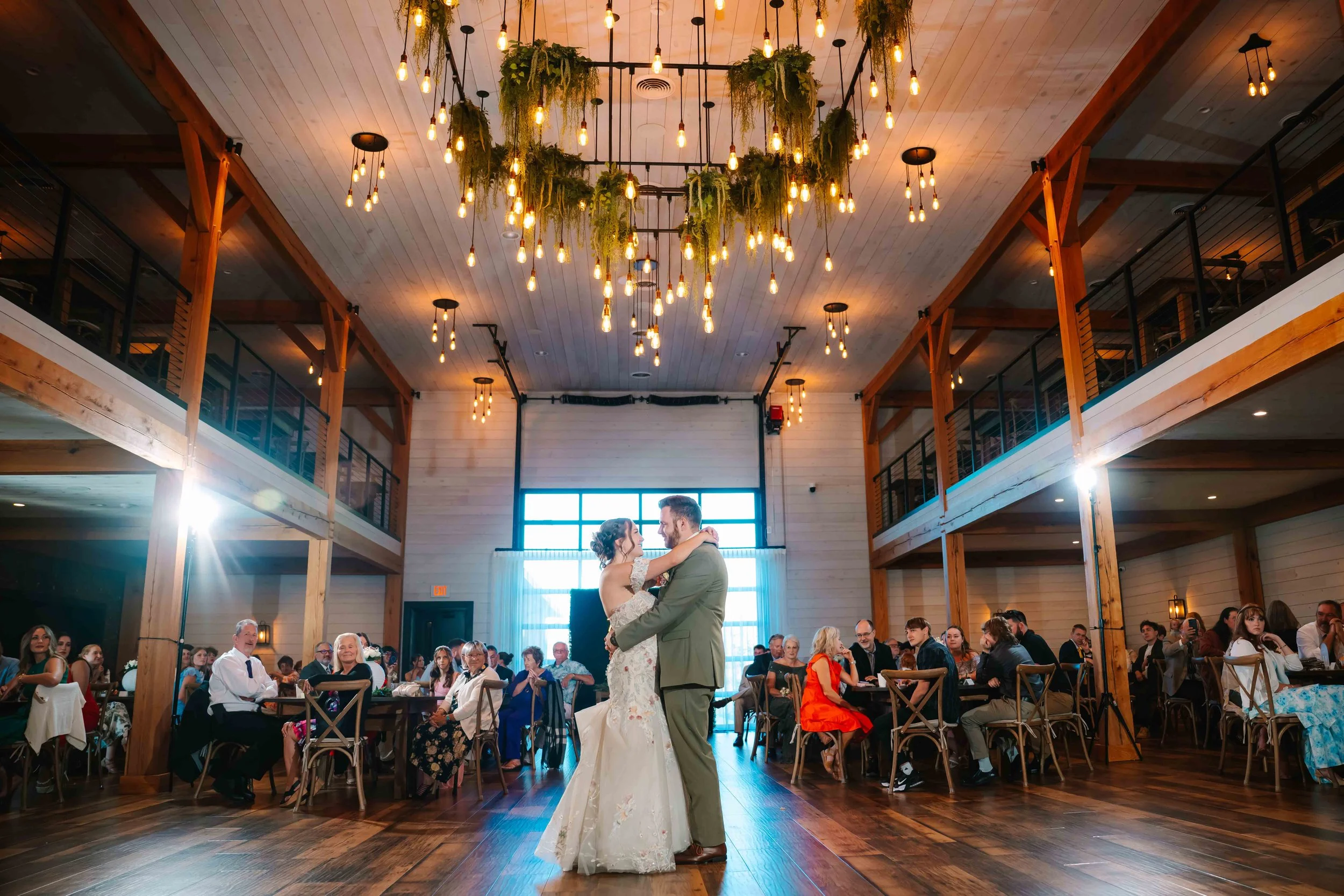
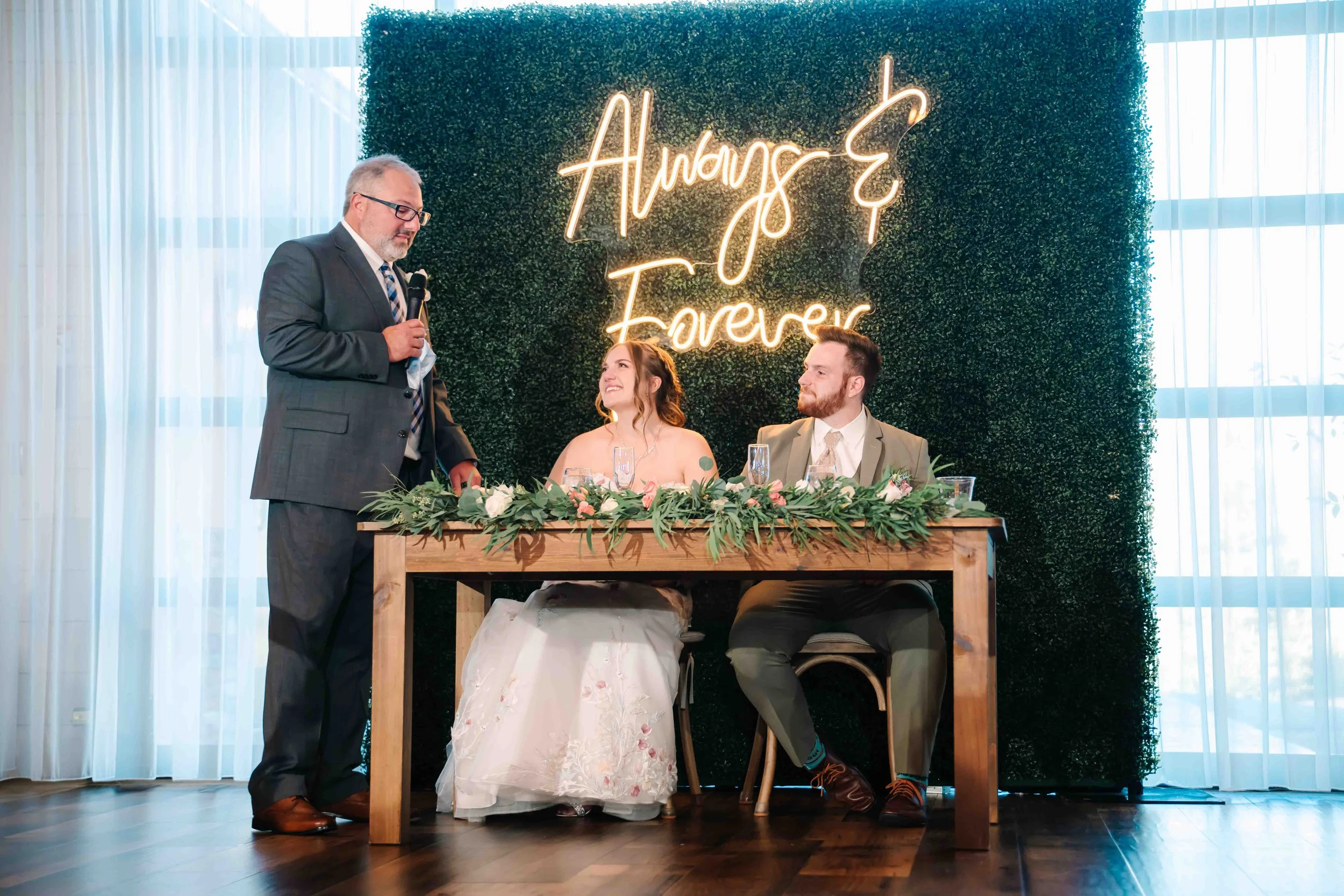
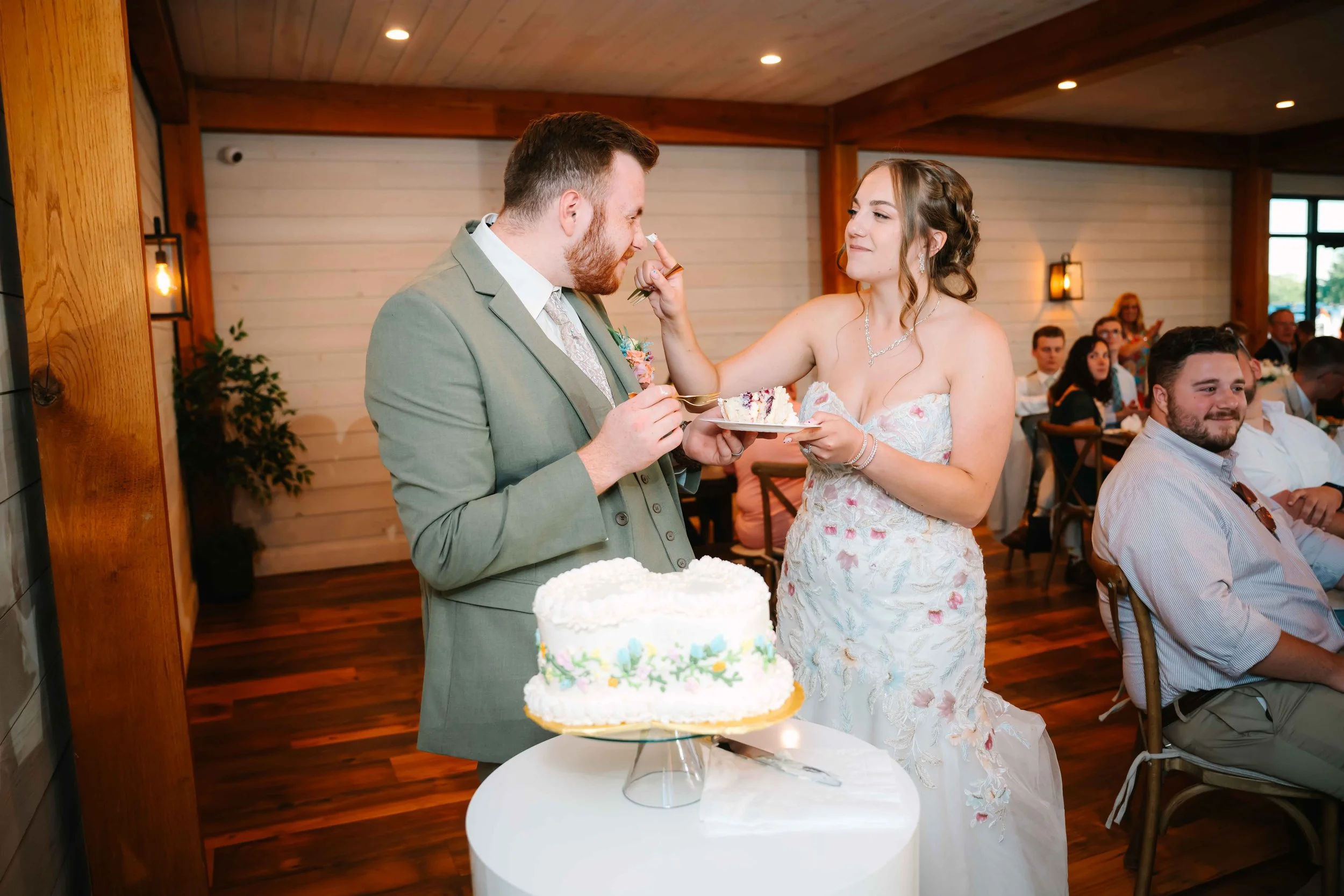
Brittany and I were lucky enough to work together at the beautiful wedding pictured throughout this blog. With her guidance and the amazing support of Austin at The Roost event Center (Venue Coordinator), we truly had a stress-free and flawless day!